June 24, 2026
The Arctic Research Foundation (ARF) has announced the name of its newest, largest and most advanced research vessel, R/V Sakku, following a community naming contest involving residents of Churchill and nearby communities in Manitoba and Nunavut.
The vessel will support Arctic operations and research activities throughout Hudson Bay, Hudson Strait and the Eastern Arctic, providing researchers with access to regions that have historically been difficult to study.
“R/V Sakku is currently the largest ship in our fleet, with the longest endurance and the most robust ability to work in under-researched and difficult-to-reach areas,” said Tom Henheffer, ARF CEO.
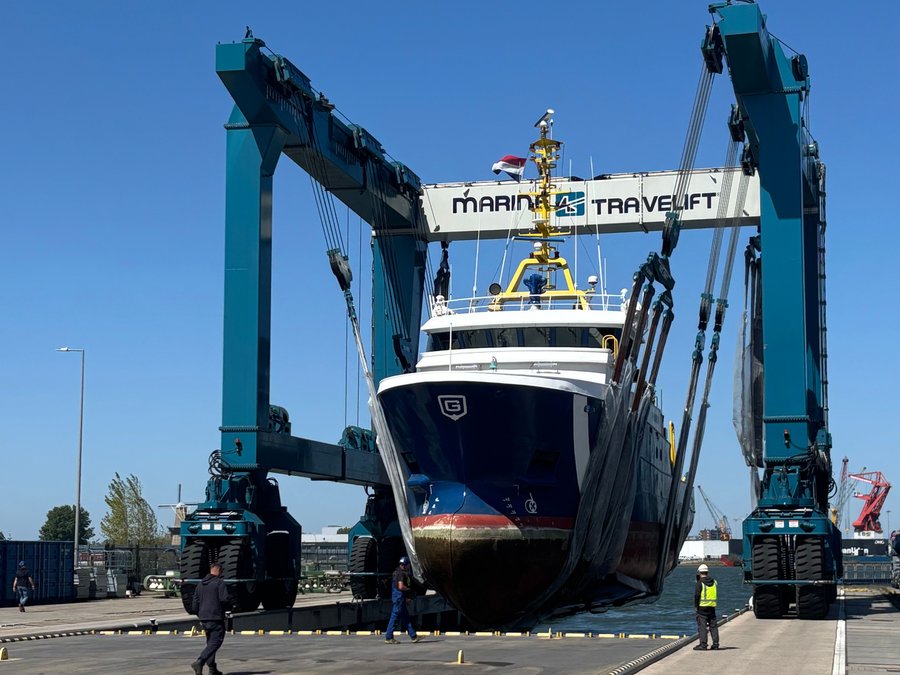
R/V Sakku will support Arctic operations and research activities throughout Hudson Bay, Hudson Strait and the Eastern Arctic.
He added that the vessel will expand research capacity across the region while supporting community-led science and environmental monitoring.
R/V Sakku will also serve as the primary research vessel for the University of Manitoba’s Churchill Marine Observatory, strengthening a long-standing partnership between the two organizations.
“The Hudson Bay complex (Hudson Bay, James Bay, Foxe Basin, and Hudson Strait) is largely understudied as it is difficult to find vessels to go in and dedicate time to support marine ecosystem research,” said Dr. C.J. Mundy, professor of biological oceanography at the University of Manitoba.
He added that the vessel will help researchers better understand coastal ecosystems and the environmental processes that support northern communities.
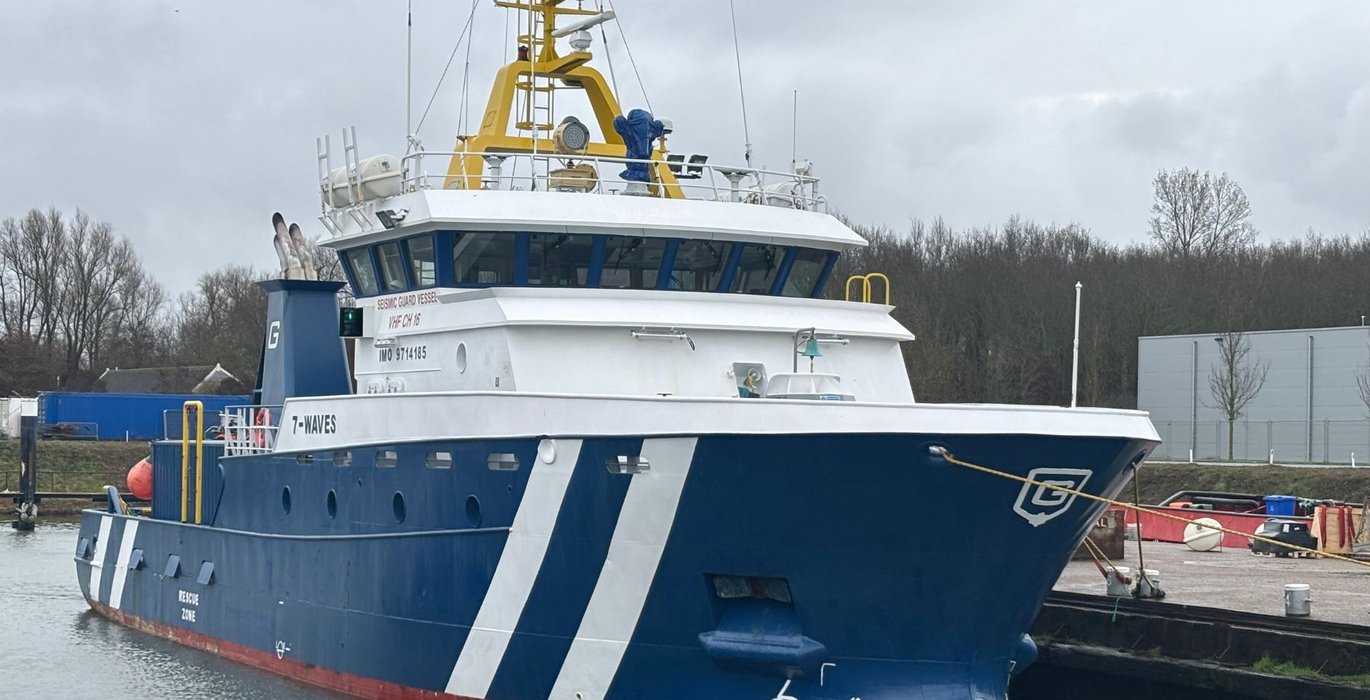
Originally built for seismic research in Europe, R/V Sakku is being refitted to support scientific research and community initiatives across the Canadian Arctic.
“This vessel represents a major step forward in our ability to support Arctic science, strengthen northern research capacity, and deliver meaningful operational support across the Canadian Arctic,” said Thomas Surian, ARF’s fleet manager.
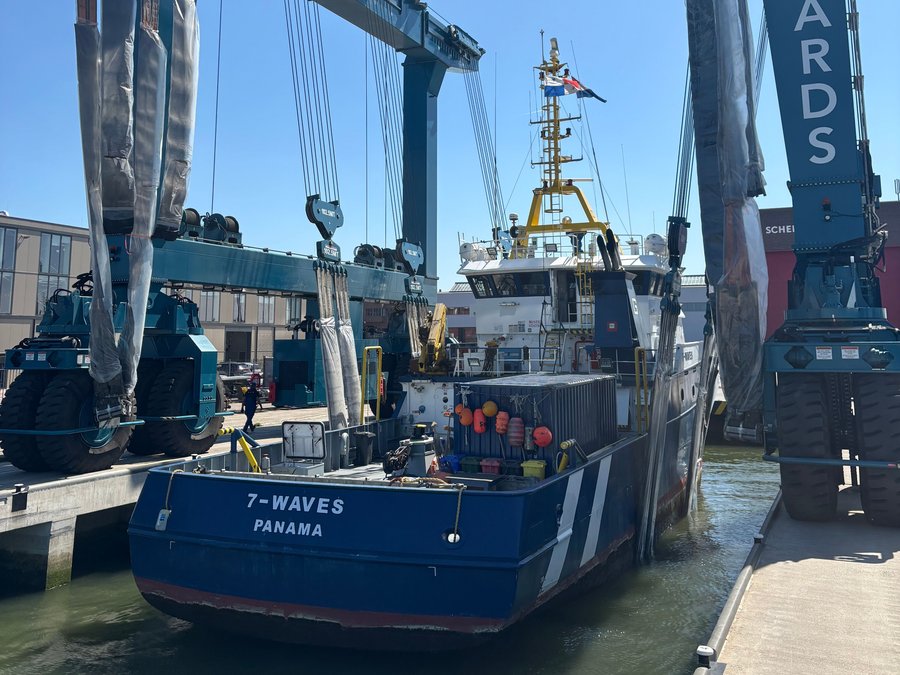
R/V Sakku will expand research capacity across the region while supporting community-led science and environmental monitoring.
The vessel is expected to arrive in Churchill following a transit from Europe through its home port, Halifax, before beginning research operations in Hudson Bay and Hudson Strait.
Its name was selected through a public contest that invited residents in its operating areas to submit names reflecting the culture and way of life of the North.
Rankin Inlet’s Joseph Curley submitted the winning entry, Sakku, the Inuktitut word for harpoon tip. However, the name was chosen by an online poll of community members in Churchill and nearby hamlets in Manitoba and Nunavut.
“I thought of a few names and almost submitted a few others,” Curley said. “But chose Sakku because it was short and the simple significance it has with the arctic.”
Curley noted that the sakku has long been an important tool for Inuit communities, supporting harvesting, food security and traditional ways of life.
“If the Vessel is going to contribute to the arctic and our people, then it is certainly a fitting name,” he said.
R/V Sakku is expected to arrive in Canada in the coming months, marking the next chapter for ARF’s growing fleet of Arctic research vessels.