November 26, 2026
With origins potentially similar to those of the iceberg that sank the Titanic, an iceberg drifting along Canada's eastern coast may have begun its journey thousands of kilometres away in Greenland.
On Greenland's west coast, about 250 kilometres north of the Arctic Circle, the town of Ilulissat lies beside the Ilulissat Icefjord, where Sermeq Kujalleq, also known as Jakobshavn Glacier, flows from the Greenland Ice Sheet into the fjord. Here, immense pieces of ancient ice break away and begin a journey that can eventually carry them as far south as Newfoundland and Labrador.
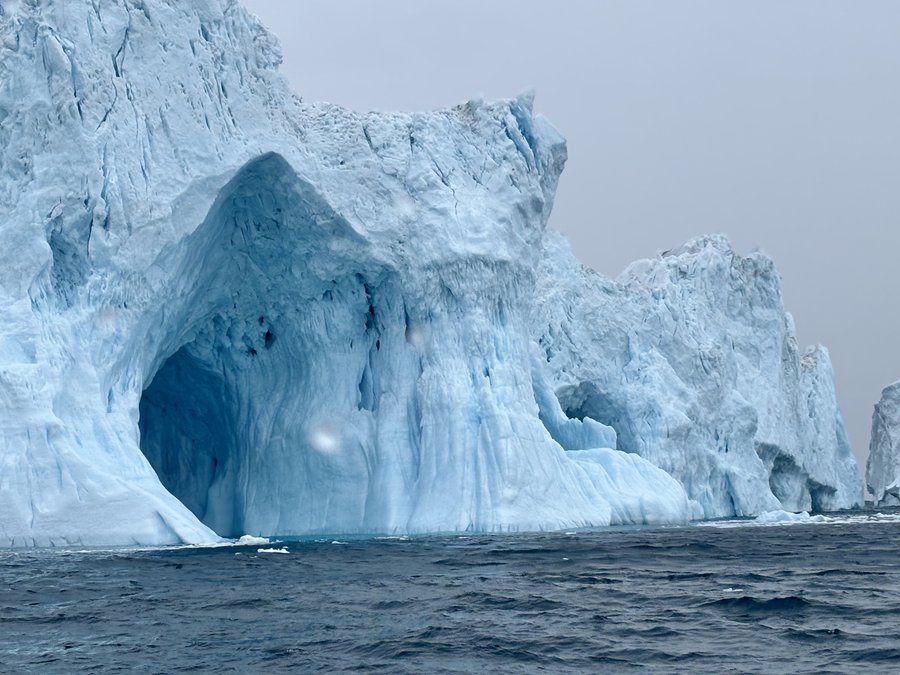
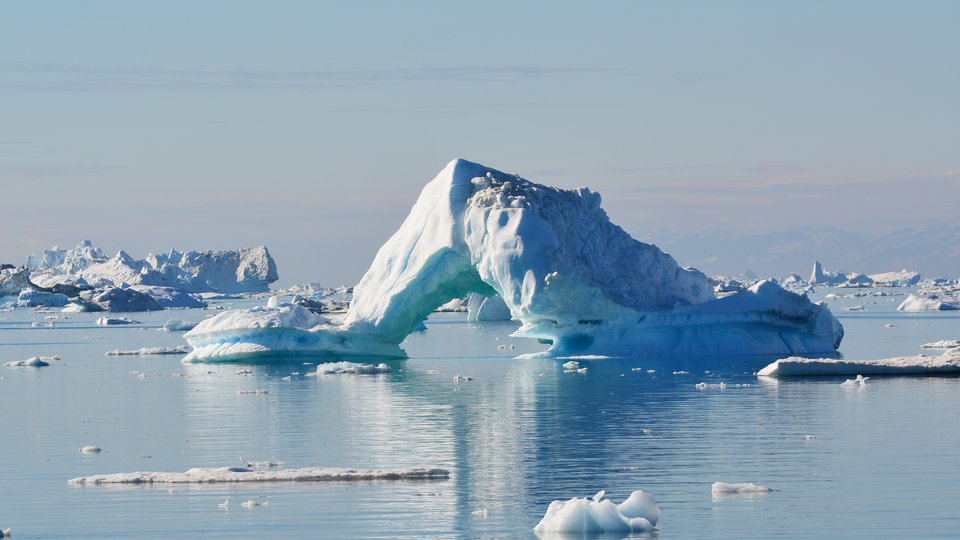
Ilulissat lies beside the Ilulissat Icefjord, where Sermeq Kujalleq (Jakobshavn Glacier) flows from the Greenland Ice Sheet into the fjord. (Credit: Melody Wren/Arctic Research Foundation)
Sermeq Kujalleq is one of the world's fastest and most active glaciers. It calves more than 35 cubic kilometres of ice each year, accounting for about 10 percent of Greenland's iceberg production.
Studied for more than 250 years, the glacier has played an important role in understanding ice-sheet glaciology and climate change. In 2004, the Ilulissat Icefjord was designated a UNESCO World Heritage Site.
That significance extends far beyond Greenland.
Roughly 90 percent of the icebergs seen off Newfoundland and Labrador originate from glaciers in western Greenland, with most of the remainder coming from Canada's Arctic glaciers.
That means an iceberg photographed by visitors in Twillingate, Bonavista, St. John's or St. Anthony's may have begun its journey far to the north, perhaps decades earlier.
The iceberg that sank the Titanic may have made a similar journey. Although its precise origin cannot be confirmed, scientific modelling points to southwestern Greenland, while Jakobshavn Glacier has long been considered a possible source
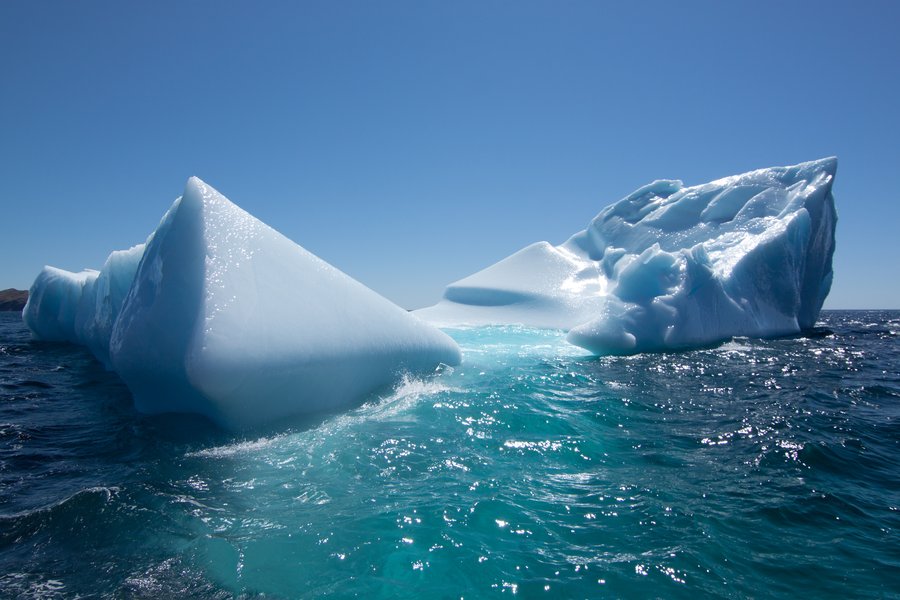
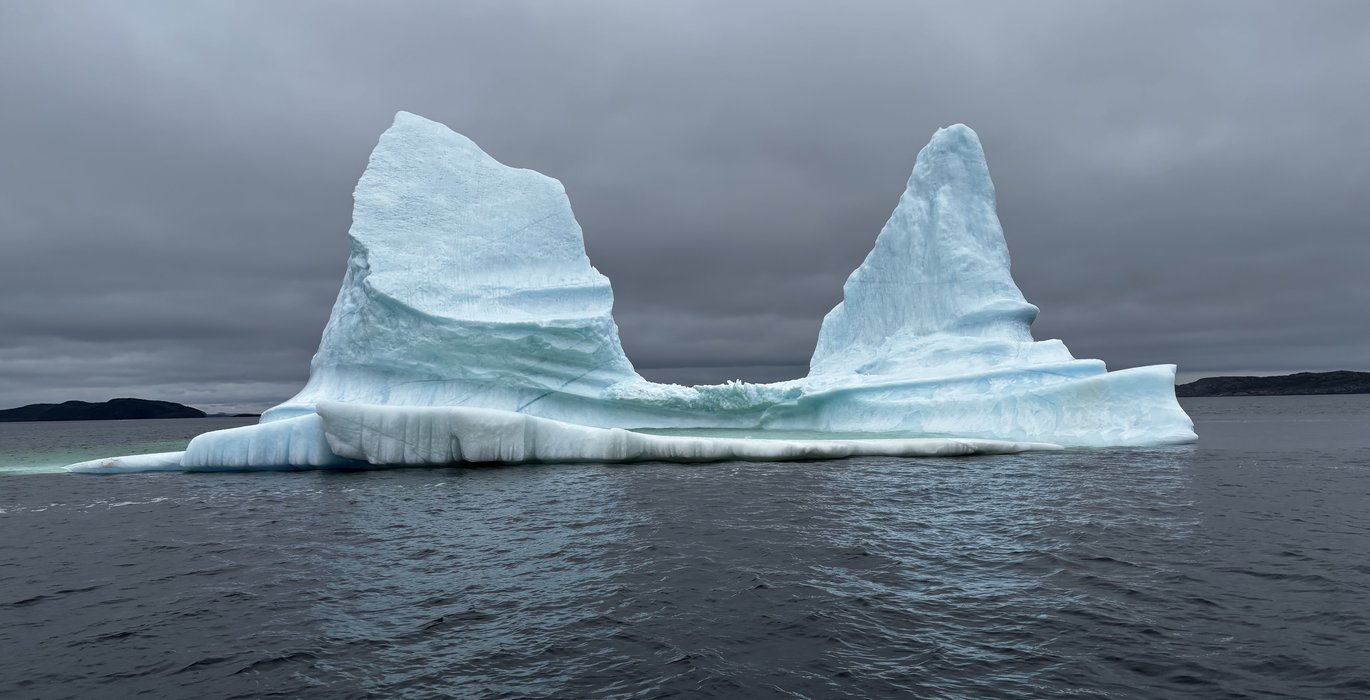
Roughly 90 percent of the icebergs seen off Newfoundland and Labrador originate from glaciers in western Greenland. (Credit: George Kourounis)
The Journey South
The journey from western Greenland to Newfoundland is roughly 1,800 nautical miles and typically takes two to three years.
After calving from Greenland's west-coast glaciers, icebergs drift into Baffin Bay before moving south toward the Atlantic. Carried by currents and winds, they can travel thousands of kilometres before reaching Newfoundland and Labrador through the waters known as Iceberg Alley.
And what is seen is only a fraction of what has made the journey. Roughly seven-eighths of an iceberg's mass remains underwater, hidden beneath the surface. Each one is a constantly changing sculpture of ancient ice, shaped by currents, waves, wind and water.
Today, technology helps people follow that journey. Digital tools such as IcebergFinder, along with information from the International Ice Patrol, allow operators to track where ice is concentrated and monitor its movement toward Newfoundland.
For Captain Barry Rogers of Iceberg Quest Adventures, that information has become an important part of the business.
"If 500 or 600 icebergs are headed to Newfoundland, we need to know ahead of time," he said.
Although modern technology may help locate the ice, its journey remains governed by the same forces that have carried ice south for thousands of years.
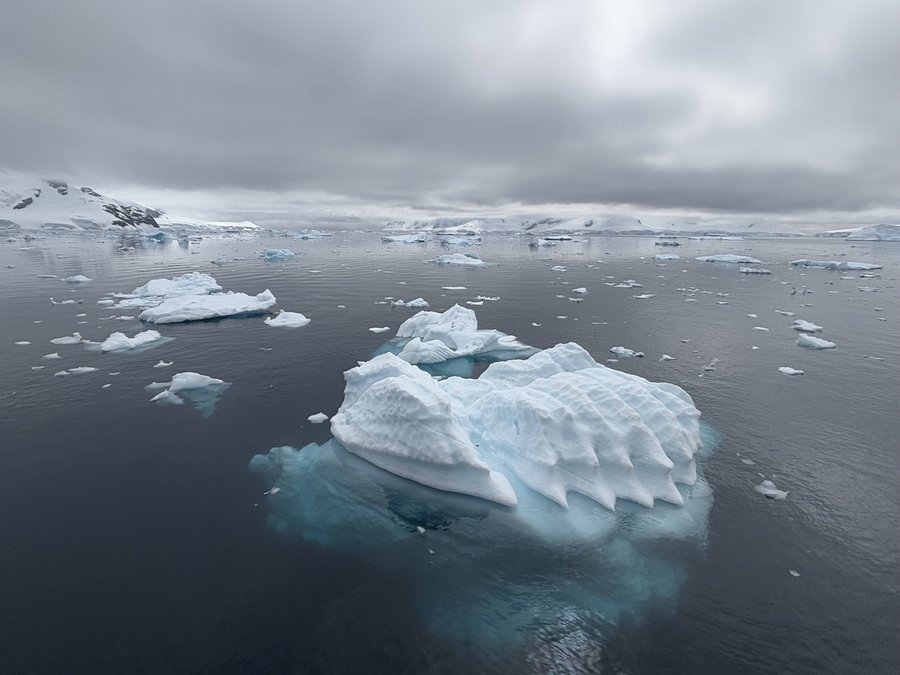
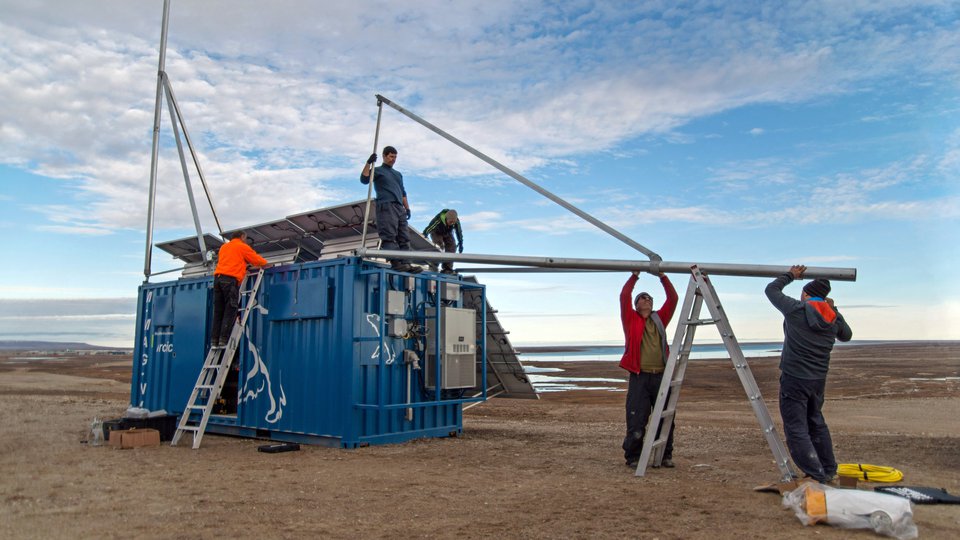
Through modern digital tools, people can follow iceberg journeys. (Credit: Melody Wren/Arctic Research Foundation)
Twillingate: Where the Story Continues
Rogers describes Twillingate as the place where the icebergs meet their fate. Often called the "Iceberg Capital of the World," it has become one of the most accessible places to witness these massive ice formations.
For Rogers, who runs an iceberg-watching company, the icebergs have become much more than a business.
"People come from all over the world just for icebergs, and I have dedicated my life to this," he said.
When he started his business decades ago, Rogers recalls taking out just 16 passengers. Today, operating from two locations, his company can welcome between 600 and 700 people a day during peak season.
He added that ice is only part of what brings people to Newfoundland.
"Without icebergs, without whales, it's the people and open-armed hospitality," he said.
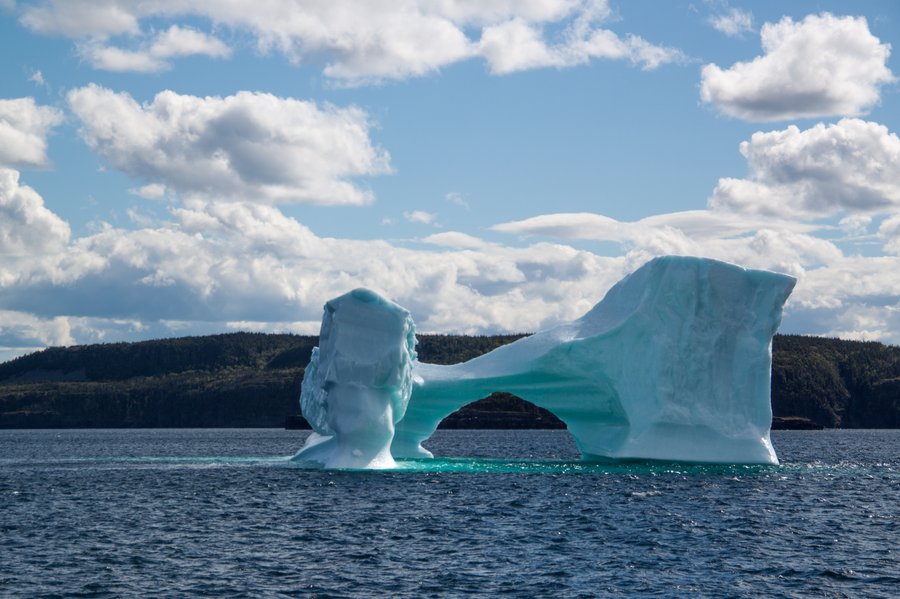
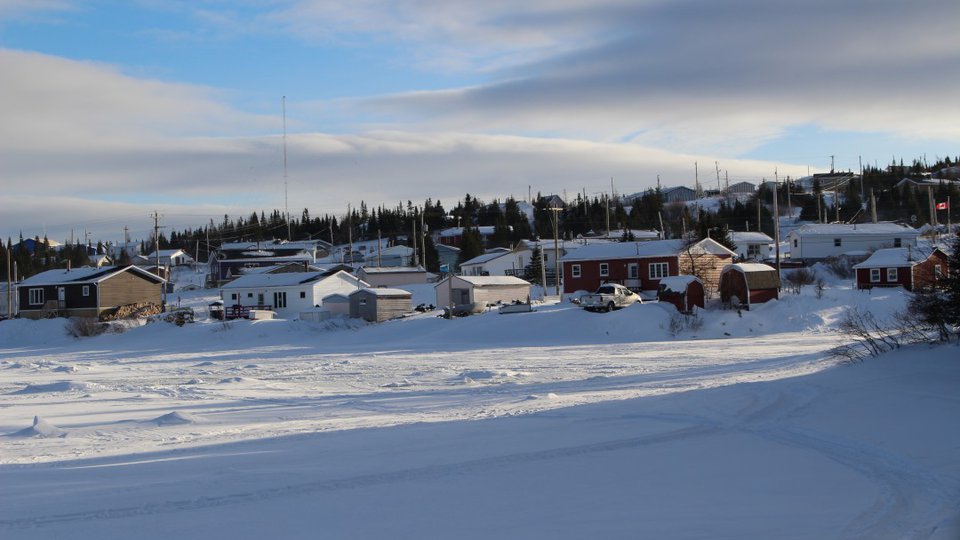
Twillingate is one of the most accessible places to witness these massive ice formations. (Credit: George Kourounis)
Still, there is something extraordinary about standing on a Newfoundland shoreline and watching an iceberg drift past, knowing that the ice began its life thousands of kilometres away.
Adventurer and storm chaser George Kourounis, who documents extreme weather and natural disasters around the world, considers Newfoundland one of the best places on Earth to see icebergs.
"Not only are there plenty of them there, but you have access to a network of roads that you can use to hunt them down and see them from different angles," he said. "You just can't do that in Greenland or Antarctica."
In 2024, Kourounis climbed onto icebergs in Newfoundland to place trackers on them, describing it as one of the most dangerous things he has ever done — an impressive categorization from someone who has climbed into the centre of active volcanoes.
“Awe is the best word I can use to describe the feeling of witnessing massive icebergs up close."
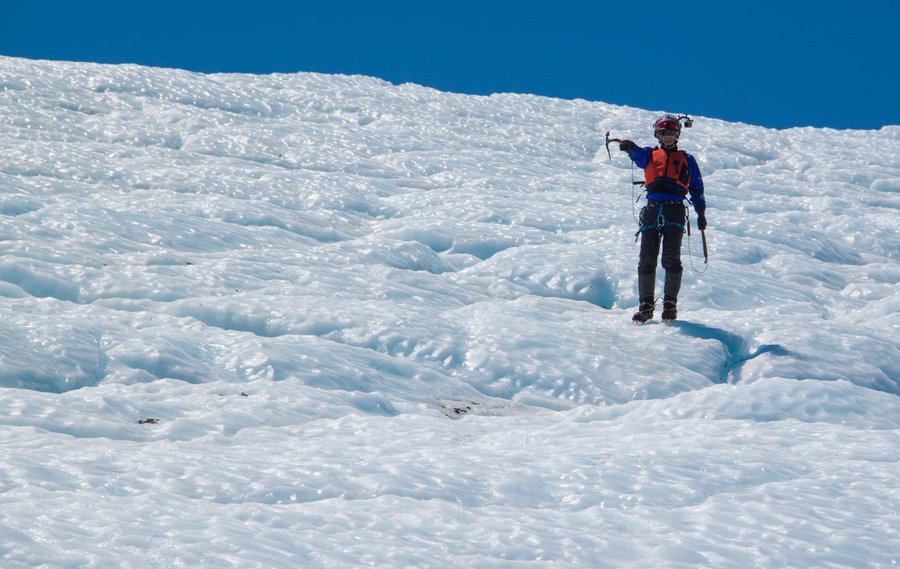
In 2024, adventurer and storm chaser George Kourounis climbed onto icebergs in Newfoundland to place trackers on them. (Credit: Peter Rowe)
The final stretch
Watching icebergs in Greenland and Newfoundland offers two very different experiences, each remarkable in its own way.
In Ilulissat, the ice is still connected to its source. From a small boat, enormous pieces break away from the glacier and crash into the fjord. The boat rocked on the waves as a sharp crack was followed by the thunderous roar of tons of ancient ice hitting the water.
Twillingate offers a quieter experience. The icebergs have become solitary travellers after years at sea—a journey that began at the edge of the Greenland Ice Sheet is finally nearing its end. When they arrive each spring, they may pause briefly in coves and harbours before continuing south and eventually melting into the Atlantic.
Perhaps that is what makes seeing icebergs so compelling: the same ice can inspire a sense of scale and wonder when it enters the sea, and again years later when it appears on a distant shore.