November 12, 2026
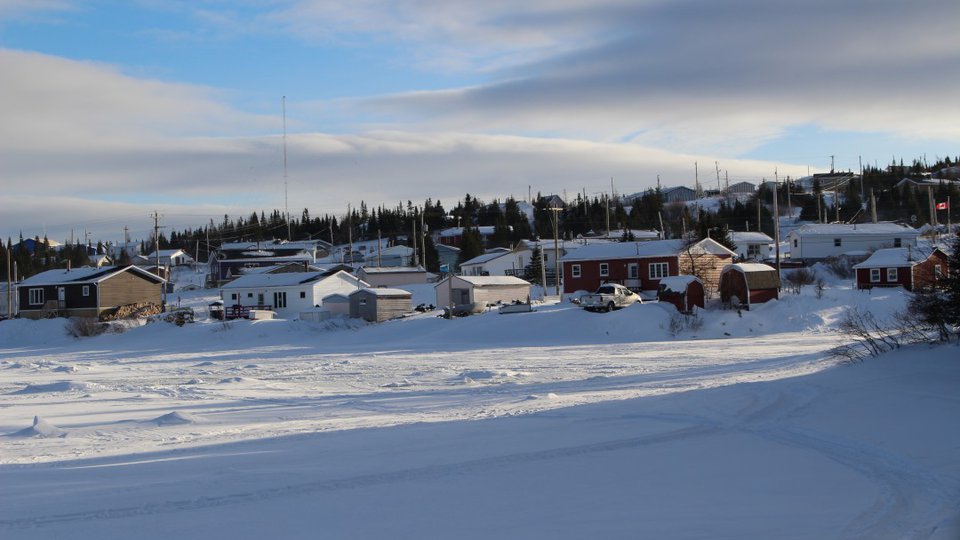
When Rex Holwell was growing up in Nain, Labrador, the rhythm of winter was predictable. By Christmas, the sea ice had frozen solid enough for snowmobile travel, opening routes to hunting grounds and connecting families to the land.
Today, that certainty is gone.
Holwell, SmartICE’s Operations Lead and a lifelong resident of Nain, has watched the region’s sea ice change dramatically over the years. Freeze-up arrives weeks later than it once did, and in many recent winters, safe travel doesn't begin until mid- or late January. The season is shorter, ice breaks up earlier, and hidden hazards like slush beneath the snow have made travelling on the ice far less predictable.
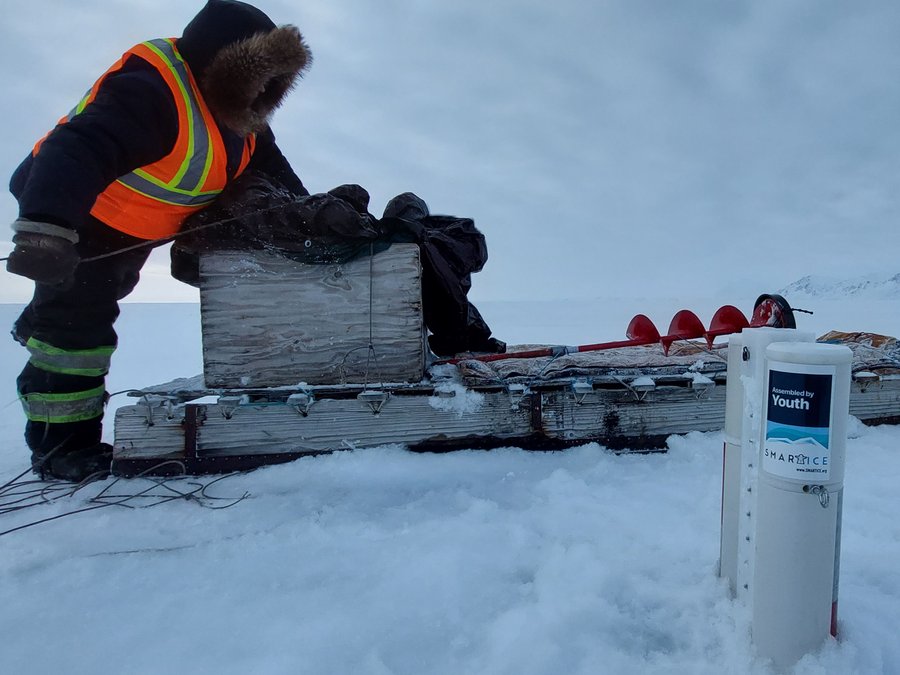
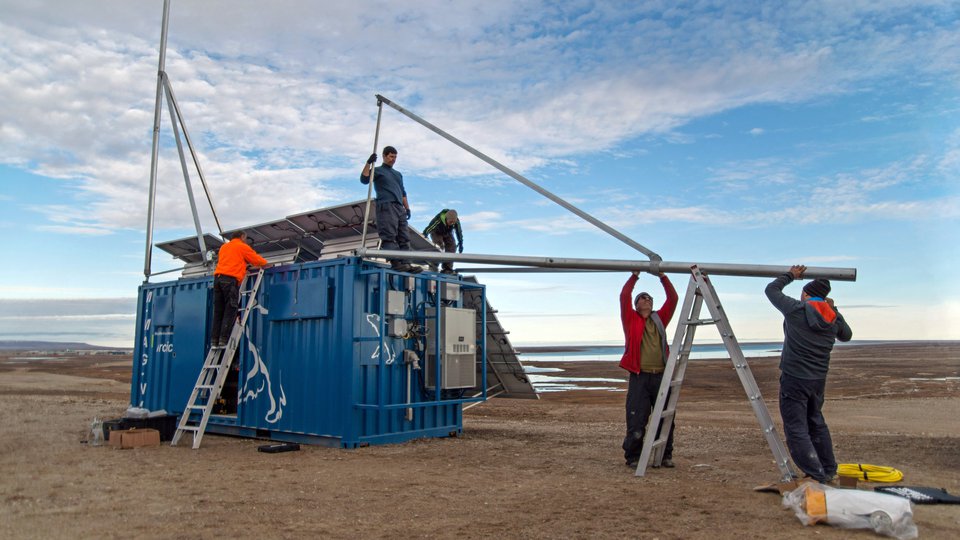
SmartBUOY deployed in Pond Inlet Photo.k(Credit: Andrew Arreak)
For Inuit communities, these changes reach far beyond transportation. Sea ice travel is essential for harvesting country food, maintaining cultural practices, and sharing knowledge between generations. Maintaining these traditions strengthens cultural identity, reinforces community ties and supports mental well-being.
As traditional travel routes become less reliable, communities like Nain look to new tools and technologies to help navigate the increasingly uncertain landscape
SmartICE: From Challenge to Solution
SmartICE is a community-based Work Integrated Social Enterprise (WISE) that combines Indigenous knowledge of ice with advanced monitoring technologies to improve ice travel safety and help communities adapt to climate change.
Carolann Harding, CEO of SmartICE, said the concept grew out of the unusually warm winter of 2009–10 in Nain, Nunatsiavut. Community surveys found that many residents could no longer rely on traditional travel routes and were taking greater risks on the ice.
“Three-quarters of respondents said they could no longer confidently predict ice conditions, while more than one-third reported they were unable to hunt or access country food because of unsafe ice,” she said.
In a region where roughly 80 percent of households experience food insecurity, the findings underscored the need for a community-led solution. That need became the catalyst for SmartICE, co-created by community members and Dr. Trevor Bell of Memorial University, with support from the Nunatsiavut Government.
“We wanted to build something that communities could use every day,” Harding said, adding that from the outset, the goal was never simply to produce research but to create a practical ice safety service communities could rely on.
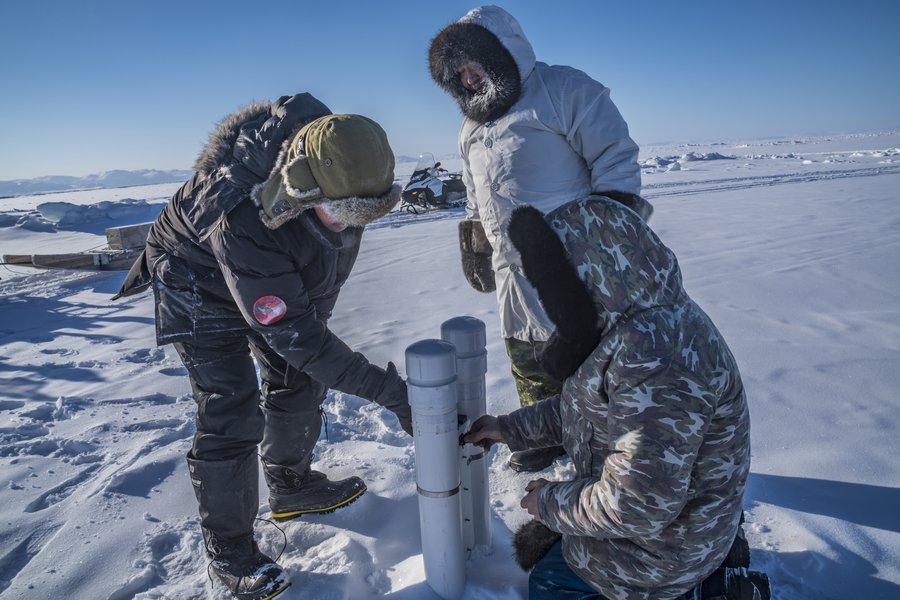
SmartICE concept grew out of the unusually warm winter of 2009–10 in Nain, Nunatsiavut. (Credit: Michael Schmidt)
Operating as a social enterprise reflects that philosophy. Rather than directing profits to shareholders, the organization reinvests in Northern communities by building local capacity, creating employment and co-developing climate adaptation tools. Harding added that the model also reflects Inuit values of collaboration, caring for one another and adapting together in the face of change.
Built Around Inuit Knowledge
One principle has remained constant with SmartICE: technology should complement, not replace traditional knowledge.
The organization only works with communities that request its involvement, and relies on Community Management Committees made up of Elders, hunters, experienced ice users and youth to guide every stage of the process. These committees determine where monitoring equipment should be placed, identify hazards and review maps before they are shared with the community.
Ice safety maps begin with workshops that gather Inuit knowledge and local observations before incorporating satellite imagery and SmartICE monitoring data. Although the technology provides another layer of information, Indigenous knowledge remains the foundation for interpreting conditions and making travel decisions.
SmartQAMUTIK: Turning Knowledge into Action
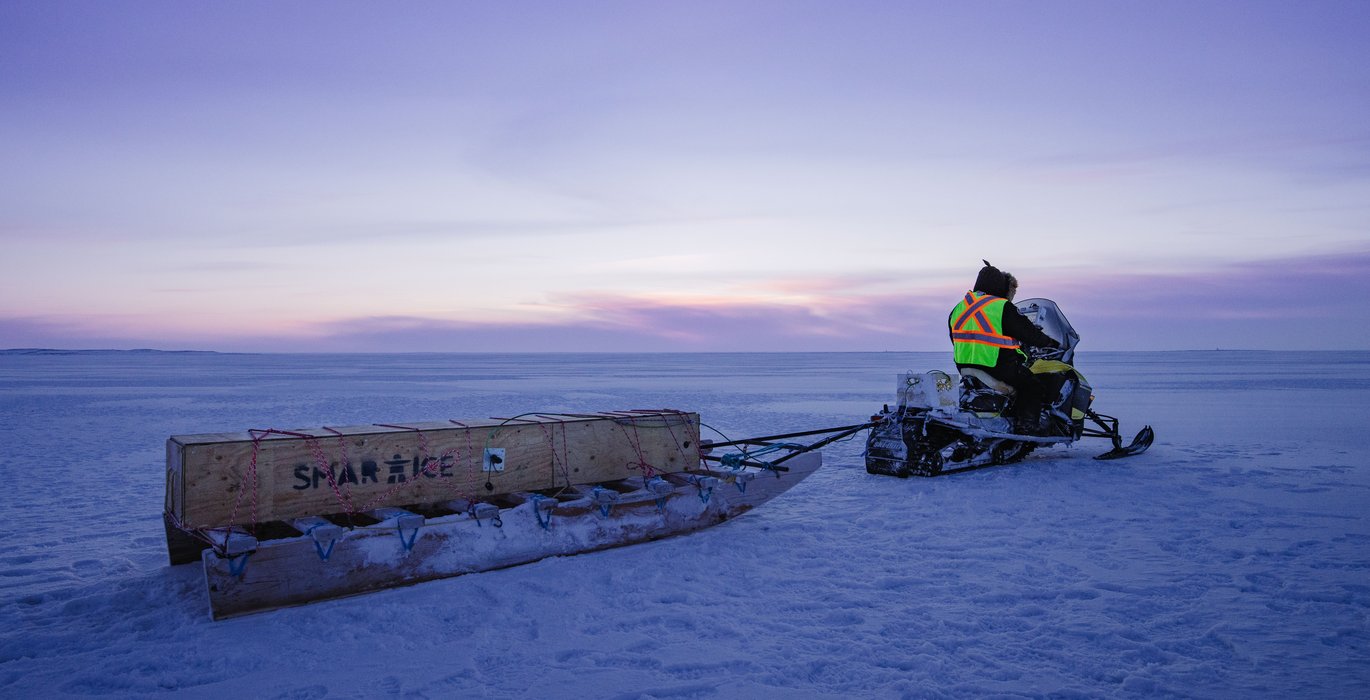
One of the organization’s key tools is SmartQAMUTIK, a sensor system towed behind a snowmobile that provides real-time measurements of ice and snow thickness along community travel routes. Using electromagnetic signals to detect the boundary between ice and the saltwater below, it gives operators instant information about ice conditions.
That information is uploaded to the SIKU app, where it is combined with local observations and traditional knowledge to help residents make informed decisions about when and where it is safe to travel or hunt, particularly during unpredictable shoulder seasons.
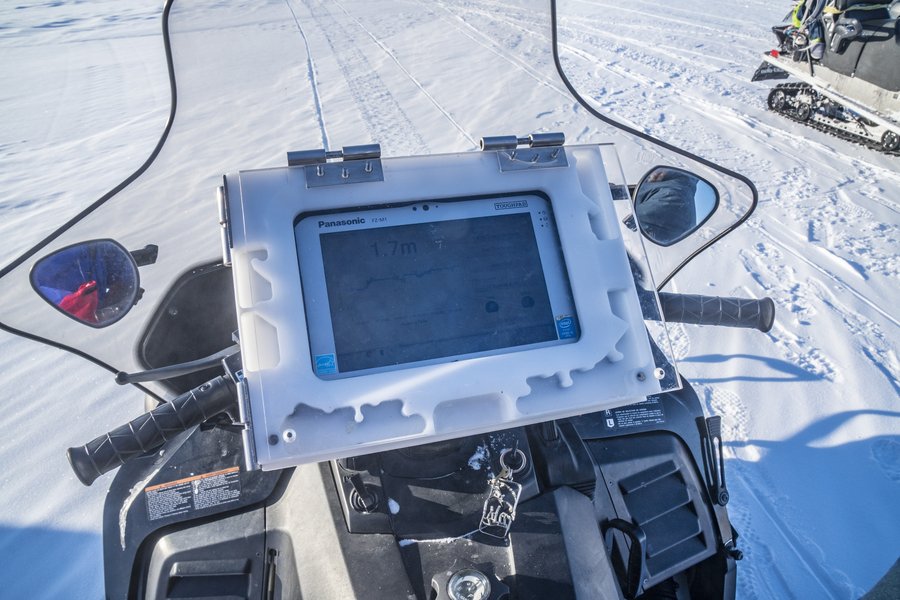
SmartICE believes technology should complement, not replace traditional knowledge. (Credit: Michael Schmidt)
Communities Leading the Way
SmartICE is built on the principle that the people most affected by changing ice conditions lead the work.
Local operators collect data, monitor conditions and manage the technology while working alongside the Community Management Committees to ensure each program reflects local priorities, culture and knowledge.
Harding believes this community-led approach is essential to long-term resilience because it builds the skills and leadership needed for communities to sustain their own ice safety programs.
“By investing in local capacity and combining Indigenous knowledge with technology, the initiative supports adaptation that is practical, trusted and rooted in each community's needs.”
Empowering the Next Generation
For SmartICE, the social impact is every bit as important as the technology itself.
Every project begins with community engagement, and aims to help Northern communities build the skills needed to respond to climate change while participating in the growing Arctic and ocean technology economy.
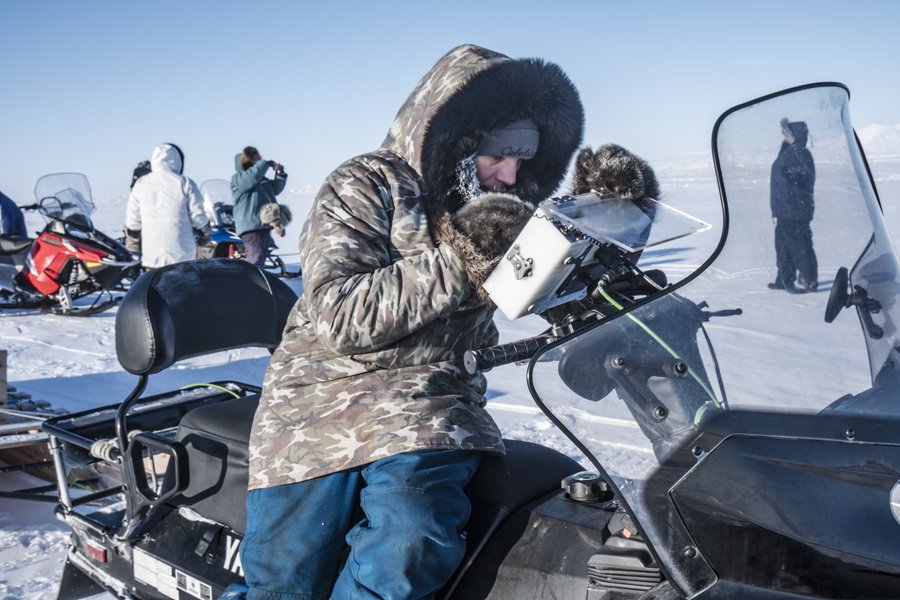
For SmartICE, the social impact is every bit as important as the technology itself. (Credit: Michael Schmidt)
The organization offers culturally responsive training in ice monitoring, Geographic Information System (GIS) and mapping, employment readiness and safety. Delivering these programs within communities allows young Inuit to develop valuable skills without leaving home.
Many graduates have gone on to permanent positions with SmartICE, while others have found employment with Indigenous governments, research organizations and the tourism sector.
“Without reliable access to hunting grounds, families become more dependent on expensive store-bought food. A single tank of gas for a snowmobile can provide enough country food to feed a family for several meals, while spending the same amount at the grocery store often stretches far less,” Harding said.
She added that country food also provides important nutritional benefits while maintaining a deep cultural connection to the land.
Looking Ahead
As the effects of climate change accelerate, SmartICE continues to expand both its technology and its community programs.
New innovations include sensors that detect slush, monitoring systems for freshwater lakes and rivers, and drone-towed sensors that allow operators to assess hazardous ice from a safe distance. The organization is also exploring opportunities to provide ice monitoring data to sectors including defence, shipping, tourism and transportation.
At the same time, SmartICE is expanding its education initiatives by working with post-secondary institutions to have its mapping and GIS certificates recognized for academic credit. It also plans to bring STEM education, employment readiness and safety training to more Northern communities while strengthening partnerships with Indigenous governments and organizations.