January 29, 2026
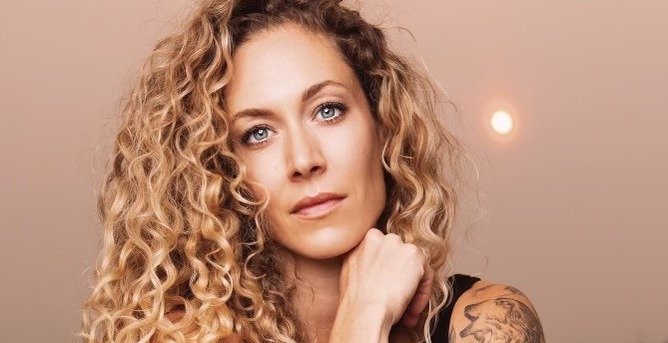
Carly Straker learned early that writing was how she made sense of the world.
This lifelong instinct recently earned her national recognition when she was shortlisted for the CBC Poetry Prize for her poem Northern Girls, a piece that lifts the quiet strength and distinct spirit of young women shaped by the North.
“The beginning for me goes all the way back to childhood,” she said.
In Grade 5, Straker and a friend wrote a poem about friendship and entered it in a contest. She also wrote a school speech about grandparents that won her the chance to perform at a local theatre.
“It was both thrilling and completely terrifying,” she recalled.
From there, writing became her constant companion. On long family road trips, before smartphones offered distraction, she filled pages in the back seat. She looks back on her early years of scribbling lines in the dark, trying to capture thoughts before they evaporated.
"Looking back, it becomes really clear that poetry or storytelling has always been a way of processing the world and my own inner life."
From there, writing became her constant companion. On long family road trips, before smartphones offered distraction, she filled pages in the back seat. She looks back on her early years of scribbling lines in the dark, trying to capture thoughts before they evaporated.
In moments of grief, she turned to poetry to honour loved ones who had passed away or to comfort those left behind. Even when she was in trouble, her instinct was to write.
“My older brother recently told me he used to go into my parents’ room after I’d gotten in trouble, because he knew he’d find a poem or some piece of writing I had left on the nightstand for them,” she said. “Looking back, it becomes really clear that poetry or storytelling has always been a way of processing the world and my own inner life.”
Her first published collection, Things The Trees Taught Me, reflects that inner processing. It was born from experiences of love, femininity, motherhood, and loss—themes that remain central to her work today. Much of her inspiration comes from her daughter, whom she describes as “the absolute love of my life,” and from the natural world around them.
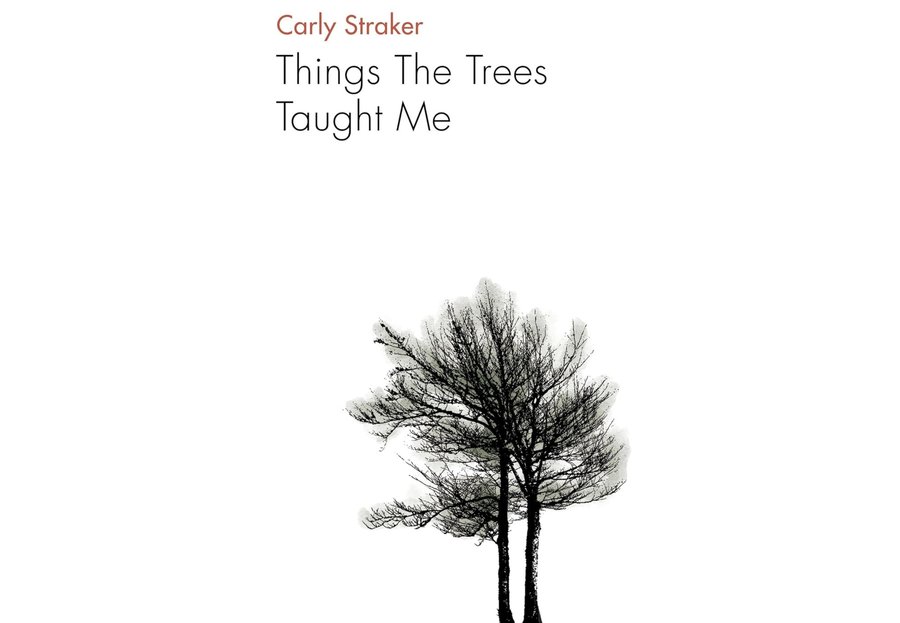
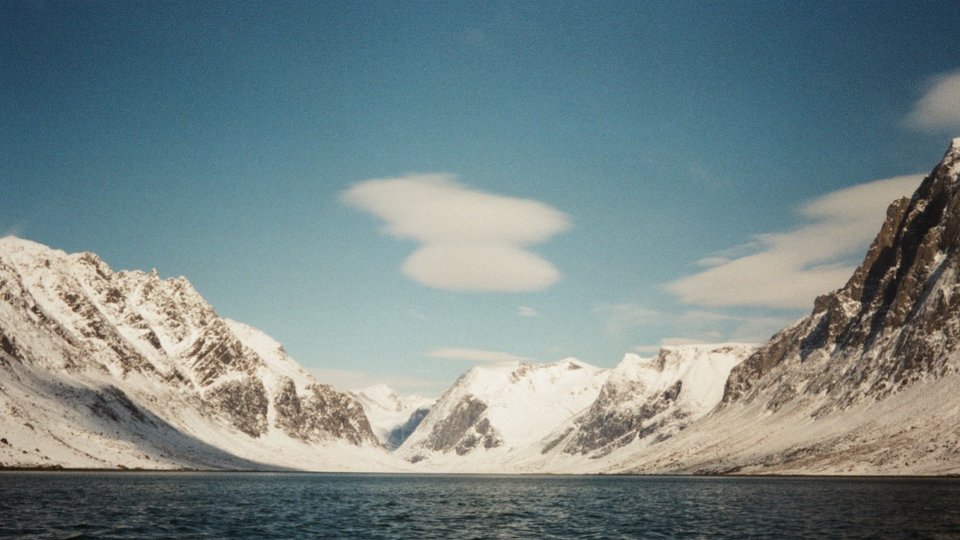
The Northern landscape is central to Straker’s writing and to the way she experiences the world. She feels most grounded and alive in nature, a place where both she and her daughter have found joy and healing. Nearly everything she creates is shaped by what she notices outdoors—the sky, the trees and animals, the ground under her feet, and even the energy she feels when she rests her hand on a tree.
“There is so much wonder and conversation here, and the simple act of paying attention can be wildly transformative.”
Until recently, writing was a private, solitary practice for Straker. However, since becoming a part of Yellowknife’s creative community, she is excited to have made connections with writers, musicians and other creatives she deeply admires.
“To share your art is an incredibly vulnerable thing, or it certainly is for me, so I feel very grateful to have trusted and soulful people around me that offer encouragement, support, feedback, and love.”
Despite the growing recognition, Straker’s life looks nothing like the romanticized vision of the full-time artist. As a single mother working both a full-time and a part-time job, the writing happens in the margins—late at night when the house has settled into silence, in the car when a line arrives unexpectedly, or slipping away from a gathering to record a thought.
Writing remains a pull she cannot ignore, a way to process, to deepen, to invite others in, and to create moments of beauty and authenticity in a world that increasingly needs them. She draws daily motivation from her daughter, the meaningful connections in her life, and the readers who take the time to share how her work resonates with them.
“Writing for me often feels like a way of opening, of advocating even, in a world that can feel so closed off.”
Creativity in Straker’s household extends beyond the page. She plays piano, has begun learning bass guitar, and sings with her daughter. The two draw, bake, invent stories, and dance together — sometimes in front of the fireplace, sometimes while brushing their teeth.
“Creativity lives in so many forms and is a way of moving through the world,” she said. But writing remains her main vessel, the art form where her voice feels most at home.
She is working on her second poetry collection, which she hopes to release in 2026. Straker also has drafts of children’s books and pieces of prose waiting in the wings, stories and images she may one day return to. Reaching wider audiences remains an ongoing question, but she sees opportunities like the CBC Poetry Prize and artist grants as crucial, not only for recognition, but for the confidence, resources and networks they help build.
Ultimately, Straker’s goals are modest, intimate, and profoundly human. She wants to keep writing. To deepen her craft. To grow. And to reach people who find meaning in her words.