October 1, 2026
Traditional Inuit throat singing takes on new life through the voices of sisters Tiffany Ayalik and Inuksuk Mackay, whose performances blend ancestral sounds with contemporary influences.
Performing as PIQSIQ, an Inuktitut word describing snow that appears to fall upward into the sky, the Yellowknife-born sisters draw on family roots in Nunavut’s Kitikmeot and Kivalliq regions while reimagining a practice they once turned to as a way to pass the time together.
“We have spent weeks and months together out on the land camping and hunting with our families, and singing was always a great way for us to pass the time,” said Ayalik and Mackay. “When the last batteries on the walkman died, when the last empty spots on the colouring books were filled, and we were prompted by a beautiful boredom to create something fun together.”

We have spent weeks and months together out on the land camping and hunting with our families, and singing was always a great way for us to pass the time. (Credit: PIQSIQ)
Through music, identity, and culture, the duo aim to bring harmony back to the Inuk way of life.
They were introduced to throat singing through cassette tapes their cousin mailed from Nunavut. As they listened and practiced, they learned the often improvised art form while developing their own distinctive style. What began as a traditional game evolved into a creative outlet that strengthened their bond and encouraged them to express themselves through music.
Even as young women, they imagined turning their shared passion into something more.
"When we grow up, let's start a throat singing band, and we’ll sound like if Danny Elfman was Enya and also Inuk and also in the Arctic!" they would tell each other.
As Ayalik and Inuksuk learned more about Inuit traditions, songs, and throat singing, the pair felt a growing desire to help foster pride in those historical cultural practices. The more they discovered about their heritage, the more determined the sisters became to carry those traditions forward through song.
“As we got older and started to learn and understand the generational effects of colonial trauma, our motivation for singing shifted,” they said. “This wasn't just a game anymore. Continuing would inherently need to involve the breaking of cycles of shame as we pressed on to find ways to further celebrate this truly unique form of Inuit art.”

As Ayalik and Inuksuk learned more about Inuit traditions, songs, and throat singing, the pair felt a growing desire to help foster pride in those historical cultural practices. (Credit: PIQSIQ)
PIQSIQ’s unique sound began to take shape when Inuksuk shared some of her recordings with Ayalik while she was studying at university. Inuksuk had used programs to find loop effects and pedals to help her hear her voice.
As they explored new sounds, they drew on the principles of Inuit Qaujimajatuqangit (IQ) to shape their approach. Their first collaboration became an opportunity to blend traditional throat singing with contemporary influences.
“As we embrace resourcefulness and ingenuity, working with new tools and new technologies, this is how we as members of a living, breathing culture express our traditional values today.”
Resourcefulness and innovation have always been qualities the sisters admire. Their improvisational approach to singing brings originality and magic back to the process. Performing live on stage, they respond to each other with incredible flow, pushing and pulling in a continuous exchange. The result is something deeply physical and intuitive.
“We’re listening as much as we’re offering, and sometimes it feels like the song already exists out there in the ether. We are just bringing it forward so we can all hear it for the first time together,” Ayalik and Mackay said.
The sisters describe how internal and external pressures, such as personal challenges and politics, contribute to the tone and charm of their music. They note that their live performance experience is also influenced by its surroundings, including the space itself and the audience’s response, or lack of response, which can subtly alter the energy and direction of a show.
“All of these elements contribute to the sonic fabric of a PIQSIQ show. It’s beautifully concrete and then simultaneously, devastatingly ephemeral,” they said. “Once the songs are sung, they disappear back into the ether, and we never sing them again.”
Their travels have brought them into contact with people who share similar musical traditions and perspectives. Those experiences have strengthened their focus on the common ground that connects people rather than the differences that pull them apart.
“We’ve been extremely fortunate to be able to travel to many places both in Canada and abroad to share not just throat singing but Inuit culture more broadly,” they said. “No matter your origin story, there are teachings in Inuit culture that benefit all peoples.”
Ayalik and Mackay see their work as a way to foster greater harmony among all people. By sharing Inuit values through music, they hope those teachings will continue to be celebrated, studied, and carried forward by future generations of artists.
“Inuit traditional values are practical, holistic and come from countless generations of observing the way human needs manifest in community dynamics. It is a rich and powerful experience to be able to learn from other cultural groups we encounter through our travels as well. For us, that is what life is about.”
As for what’s next, the duo has no shortage of projects on the horizon. With several initiatives already in the works, Ayalik and Mackay continue to explore new ways to share Inuit culture, connect with audiences, and push the boundaries of their artistic practice.
“We’ve scored two full-length films that will be released later this year, and we’re working on a new album that will be released later in 2026.”
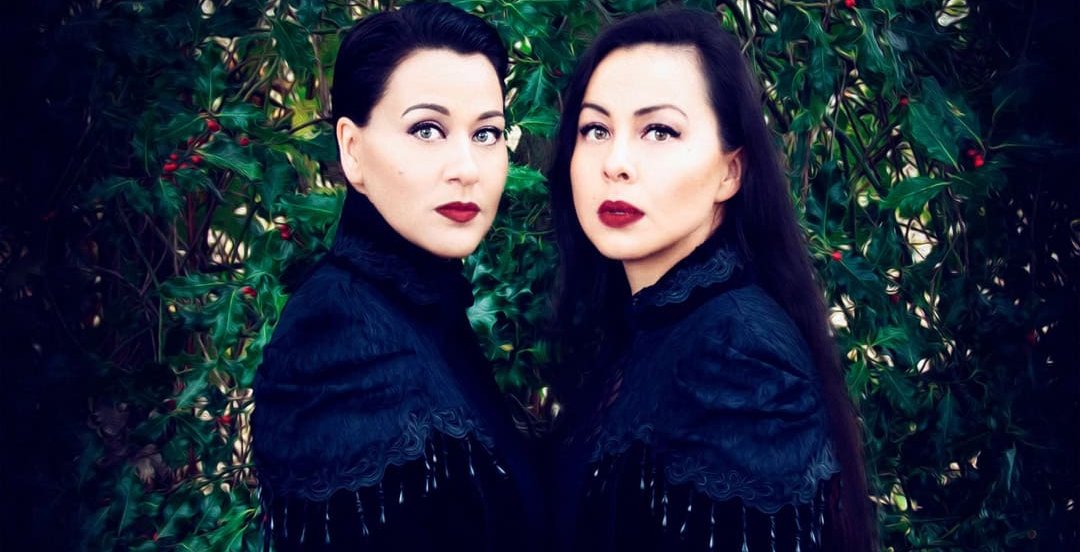
Banner image: Kayley Inuksuk Mackay (left) and Tiffany Kuliktana Ayalik (right). (Credit: Inuksuk Mackay)